Geography
St Edward's - A caring Christian Community where children achieve their potential, are confident in themselves and their abilities and are set on a positive path for life.
Children at St Edward's are curious about the world around them. They ask thoughtful, probing questions and love pouring over maps and globes and learning about new places. It is our ambition that they maintain this enthusiasm for geography and develop lifelong skills and knowledge as geographers.
The study of geography is about more than just memorising places on a map. It's about understanding the complexity of our world, appreciating the diversity of cultures across continents. In the end, it's about using all that knowledge to help bridge divides and bring people together.
BarracK OBama
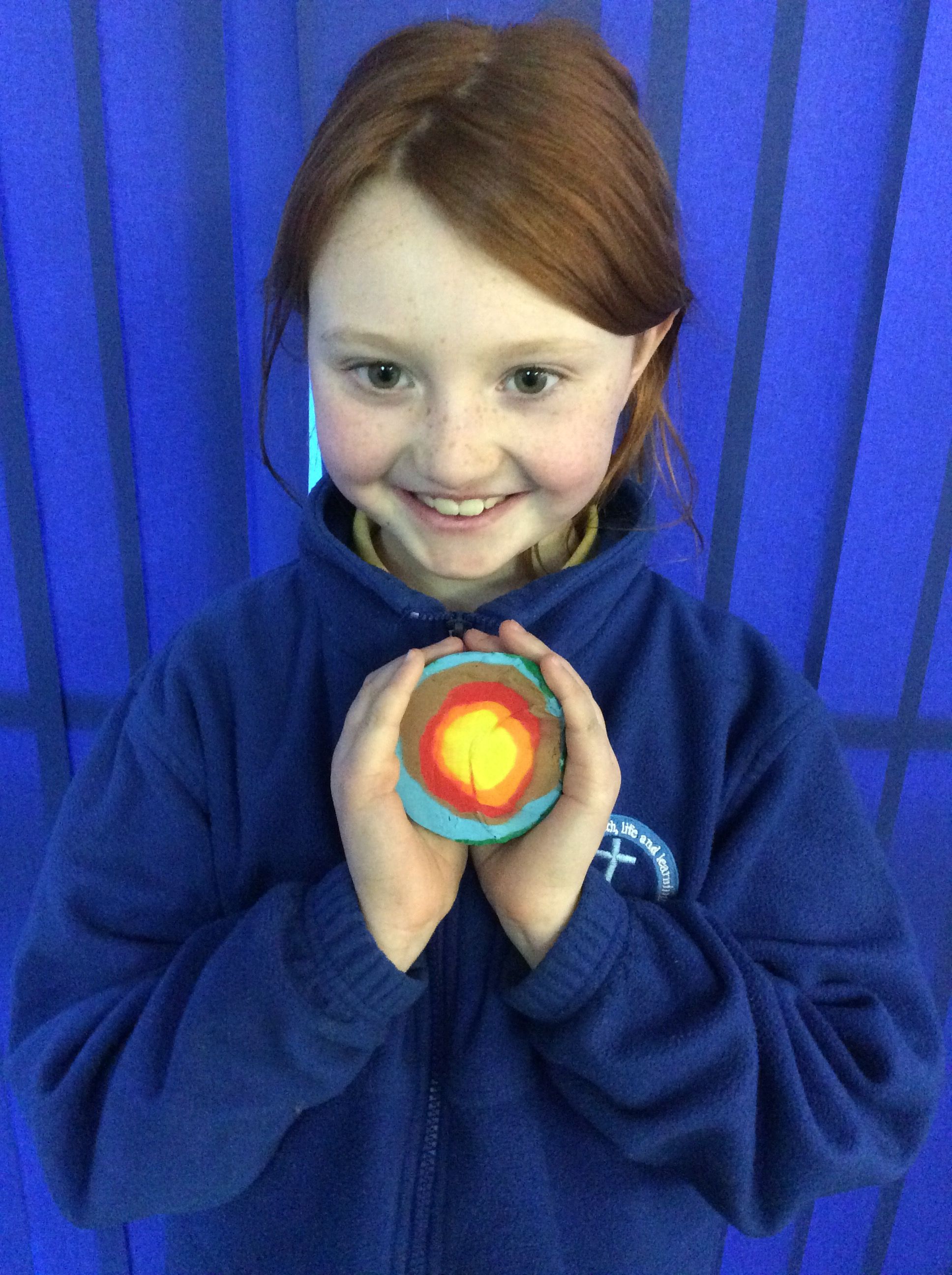
At St Edward’s we believe that Geography allows children to begin to understand their place in our world, considering what is familiar to them, but also how their ‘world’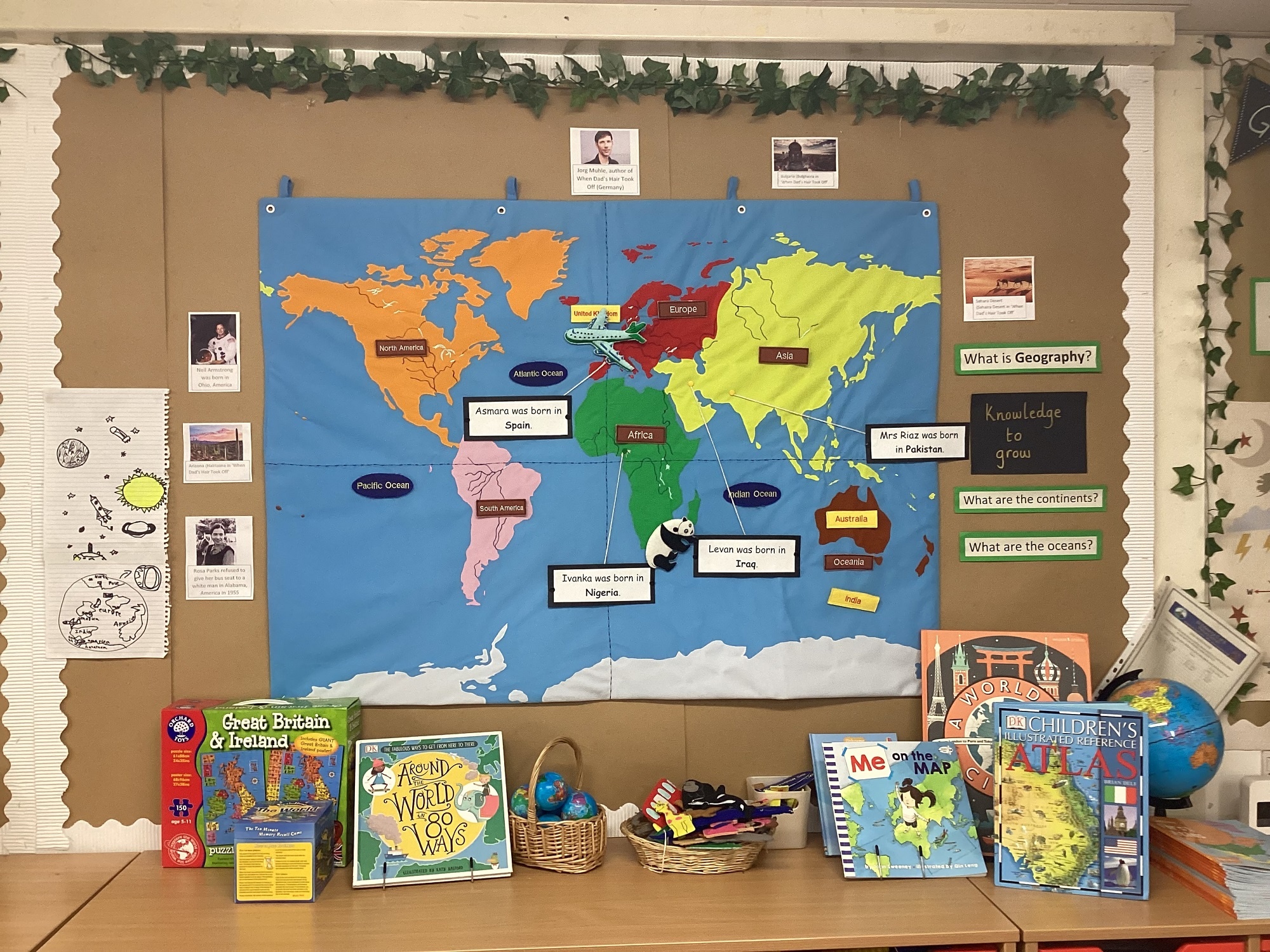 is different to that of others.
Geography allows children to develop their understanding of their immediate environment (home, school, town) and how they are part of a bigger environment (country, continent, world). This then builds their knowledge of the wider world and how people and places differ both in terms of physical characteristics and human characteristics.
At our school, the local area and our school grounds are at the heart of our geography curriculum. Children develop a sense of place in relation to their own environment and an understanding of the physical world around them and their community. We encourage our children to appreciate places and people all over the world. From starting in nursery, children are taught key geographical vocabulary which is then built upon as they progress through school. Through our geography curriculum, children also begin to understand the need to respect and care for the natural environment.
The core threads of the St Edward's Geography Curriculum
When selecting the knowledge and skills most appropriate for our children, we wanted to ensure that our decisions were informed by our overall vision for the school.
At St Edward's, we aim to inspire our children to be explorers. Our geography curriculum nurtures a sense of community and educates children so that they develop understanding of the world beyond their experience and compassion for others.
With this in mind, we identified key threads which would run through our geography curriculum:
Exploration – We want our children to be curious. We aim for them to develop an understanding of where they are in relation to the rest of the world and to develop awareness of the world that exists beyond their own experience. We want to equip them with skills to be explorers and to develop a life-long love of learning.
 Compassion and Community – We want our children to learn about how humans interact with the environment and the impact that they have. We want them to develop empathy and an understanding of their importance and responsibility in the world. We want them to explore race and identity, knowing that everyone is equal and everyone’s heritage is celebrated.
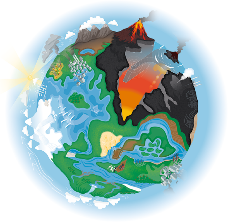
Creation – we want our children to look at the world with a sense of wonder and curiosity about why the physical world is the way it is and how processes have come together physically to create it.
Geography Units of Work
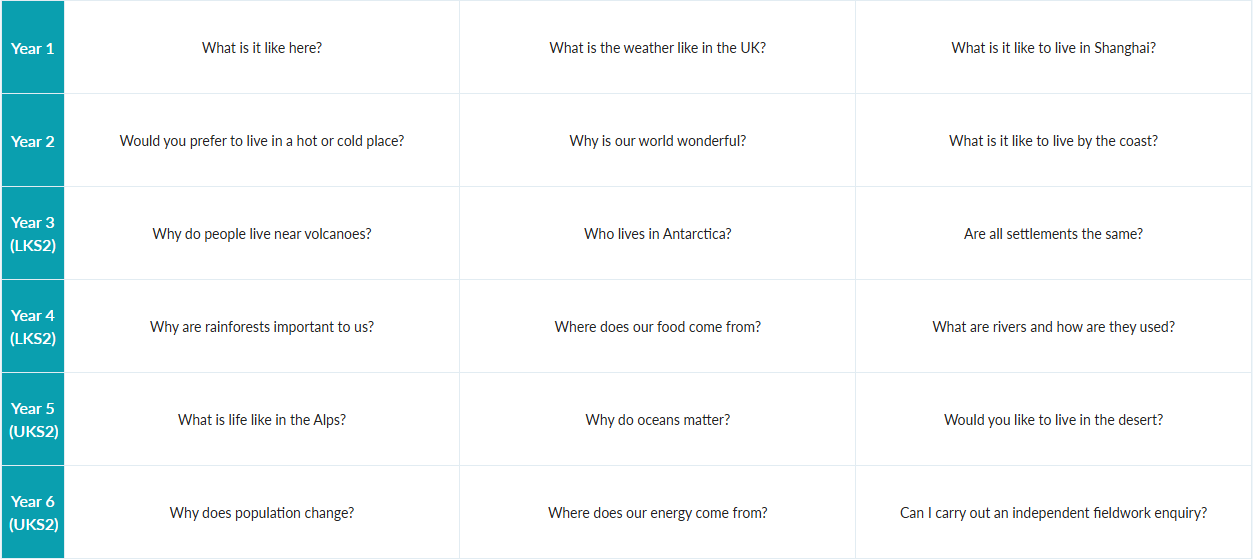
We teach Geography using the Kapow scheme. Geography is taught every other half-term and alternates with History.
A Curriculum for Our Pupils
We have identified some core barriers that the children of our school face when they are accessing the curriculum, and we intend to deliver the geography curriculum with an approach that addresses these:
- Vocabulary – we ensure that our topics are planned with careful and deliberate vocabulary progression. Teachers all have a copy of the St Edward’s Glossary so that the definitions children are given are consistent and accurate across school.
- Communication and teamwork skills – our geography curriculum is enquiry-based which lends itself to teamwork. Children can learn to take different roles within a team while carrying out the enquiries. Oracy opportunities are embedded in medium-term planning
- Resilience – we design challenging tasks in our geography curriculum, allowing children to experience failure and errors in a safe environment, scaffolded by the implementation of growth mindset training
- Differing and sometimes limited life experiences – We offer a curriculum of breadth and wider opportunity. We provide children with opportunities to expand their knowledge and experience of geography beyond the classroom through: assemblies celebrating environmental and ecological events; trips out of school to support fieldwork; School ecocouncil information and activities
A Curriculum for All Pupils
Ambition
Our ambition in Geography for children with SEND is broadly in line with our ambition for all children.
We believe that we need to be ambitious about what our children with SEND can achieve. We should take into consideration their barriers to learning but we shouldn't let these limit their opportunities - just because they find reading or writing difficult, it doesn't mean that they won’t be able to interpret a map or gather geographical data to prove or disprove a hypothesis.
Access (How we ensure all children can access and succeed in Geography)
-
At the start of units and lessons, children revisit prior knowledge and vocabulary.
-
Children have visual knowledge organisers which map out the key knowledge and vocabulary within each unit of work. These can be used for pre-teaching new vocabulary prior to the lesson, to help children visualise the concepts they are using in class and can help with spelling and writing activities.
-
Check in - For children with SEND, a Geography lesson can be overwhelming with all the new information they are given as well as trying to comprehend ideas that may be very alien to them. Teachers and TAs make a point of checking in with these children and offering further support or scaffolding where necessary.
-
Working walls - Images and facts are displayed on working walls and teachers refer to these regularly.
EYFS
In preparation for the Year One Geography curriculum, in EYFS, children begin to develop their geographical knowledge by exploring features of our school.
Simple maps are used to investigate different places as we begin to compare and contrast different environments. Lands and places from stories shared together are mapped out. Children have rich opportunities to make use of school grounds to enhance and apply their skills as geographers.
Throughout the year, children observe and discuss the weather and seasonal changes. Children also learn about the different jobs which people do in our community.
Literature is used to enhance children's geographical understanding. Through the book Handa's Surprise, children learn about life in a different country and use maps and globes. We also aim to avoid stereotypical ideas and provide plenty of pictures so that children can understand the contrasts within a country.
Teachers model how to draw simple comparisons between their own country and other countries and children experiment with comparative language.
They begin to build a bank of geographical vocabulary.
Assessment in Geography
At St Edward's, we believe that assessment in geography should be purposeful, manageable and valuable in informing future teaching and learning. Teachers use formative assessment strategies throughout every lesson to check pupils’ understanding, develop geographical thinking and identify misconceptions. In addition, teachers use assessment folders containing carefully designed grids to monitor pupils’ understanding across lessons and units of work. These grids enable teachers to identify pupils who may have been absent, experienced difficulty with key geographical concepts or require further support and reinforcement.
By regularly tracking this information, teachers can identify patterns and gaps in understanding, allowing them to revisit key knowledge, adapt future lessons and plan effective next steps to ensure all pupils make progress in geography. Teachers are also given opportunities to reflect on pupils’ progress in geography alongside members of the Senior Leadership Team during pupil progress meetings, ensuring assessment information is used effectively to support achievement for all learners.